Pet’s Den
"A thoughtful design, making every walk a joyful journey."
"A thoughtful design, making every walk a joyful journey."
Role :
On this project, I worked as a UX Designer, where i was involved in research, design, and testing.
Overview:
"The project is called PetsDen. It's a dog walker app designed to help pet parents connect with trustworthy dog walkers nearby through a simple and reliable platform."
Responsibility:
In this project, I conducted interviews, surveys, and usability studies to understand both pet parents and dog walkers. I also created low-fidelity wireframes to define layout and user flow, and built interactive prototypes-both low and high fidelity-for testing. Overall, I followed an iterative UX process where each round of testing helped uncover new challenges and refine the design further."
Role :
On this project, I worked as a UX Designer, where i was involved in research, design, and testing.
Overview:
"The project is called PetsDen. It's a dog walker app designed to help pet parents connect with trustworthy dog walkers nearby through a simple and reliable platform."
Responsibility:
In this project, I conducted interviews, surveys, and usability studies to understand both pet parents and dog walkers. I also created low-fidelity wireframes to define layout and user flow, and built interactive prototypes-both low and high fidelity-for testing. Overall, I followed an iterative UX process where each round of testing helped uncover new challenges and refine the design further."
Project Overview
Project Overview
The Design Process
The Design Process
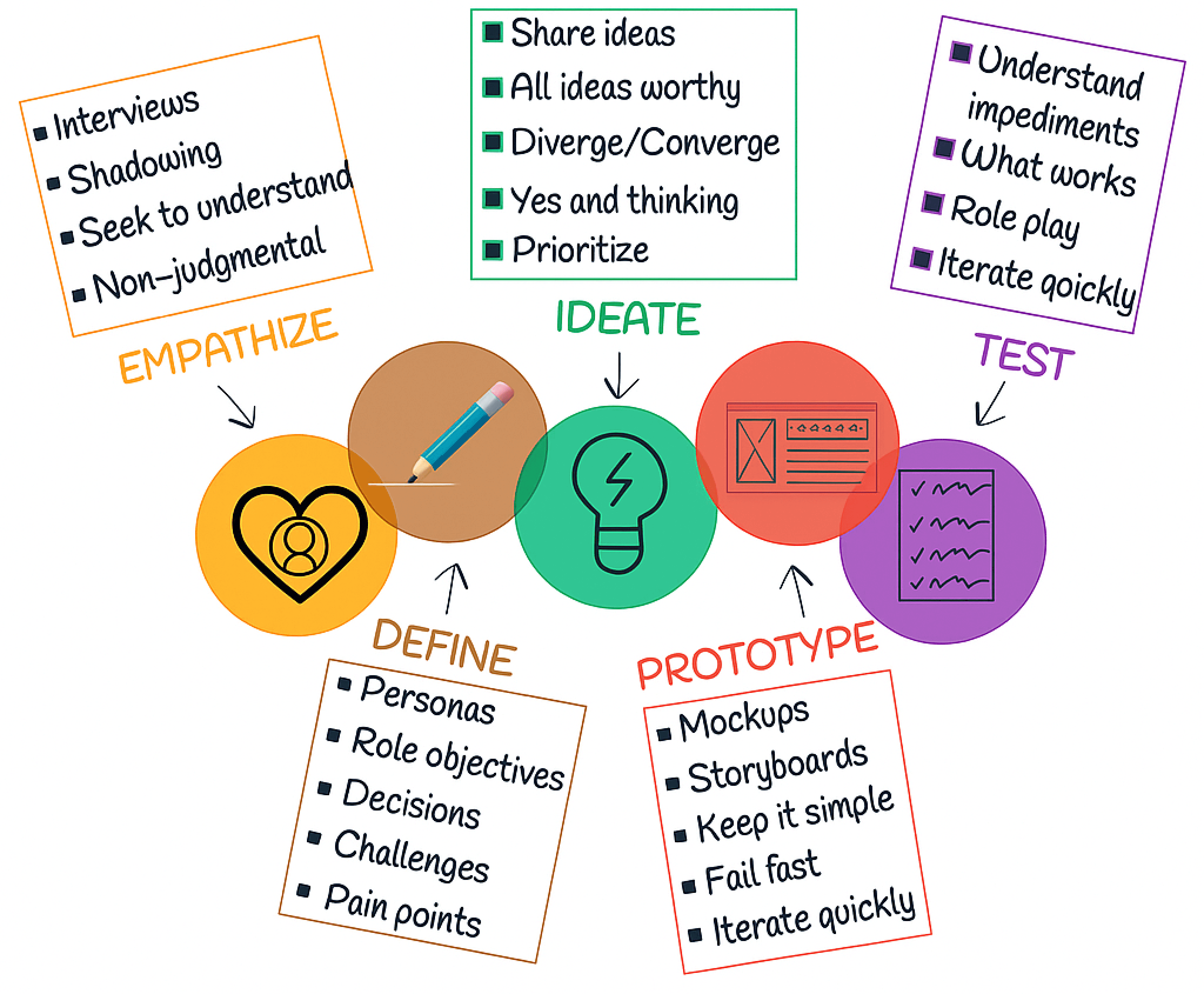
The UX process follows a standard path but adapts with each iteration. Testing reveals unexpected challenges, sparking new ideas. Each cycle refines the design and uncovers opportunities for improvement. New issues drive the process to evolve, leading to innovation.
The UX process follows a standard path but adapts with each iteration. Testing reveals unexpected challenges, sparking new ideas. Each cycle refines the design and uncovers opportunities for improvement. New issues drive the process to evolve, leading to innovation.
Empathize
Empathize
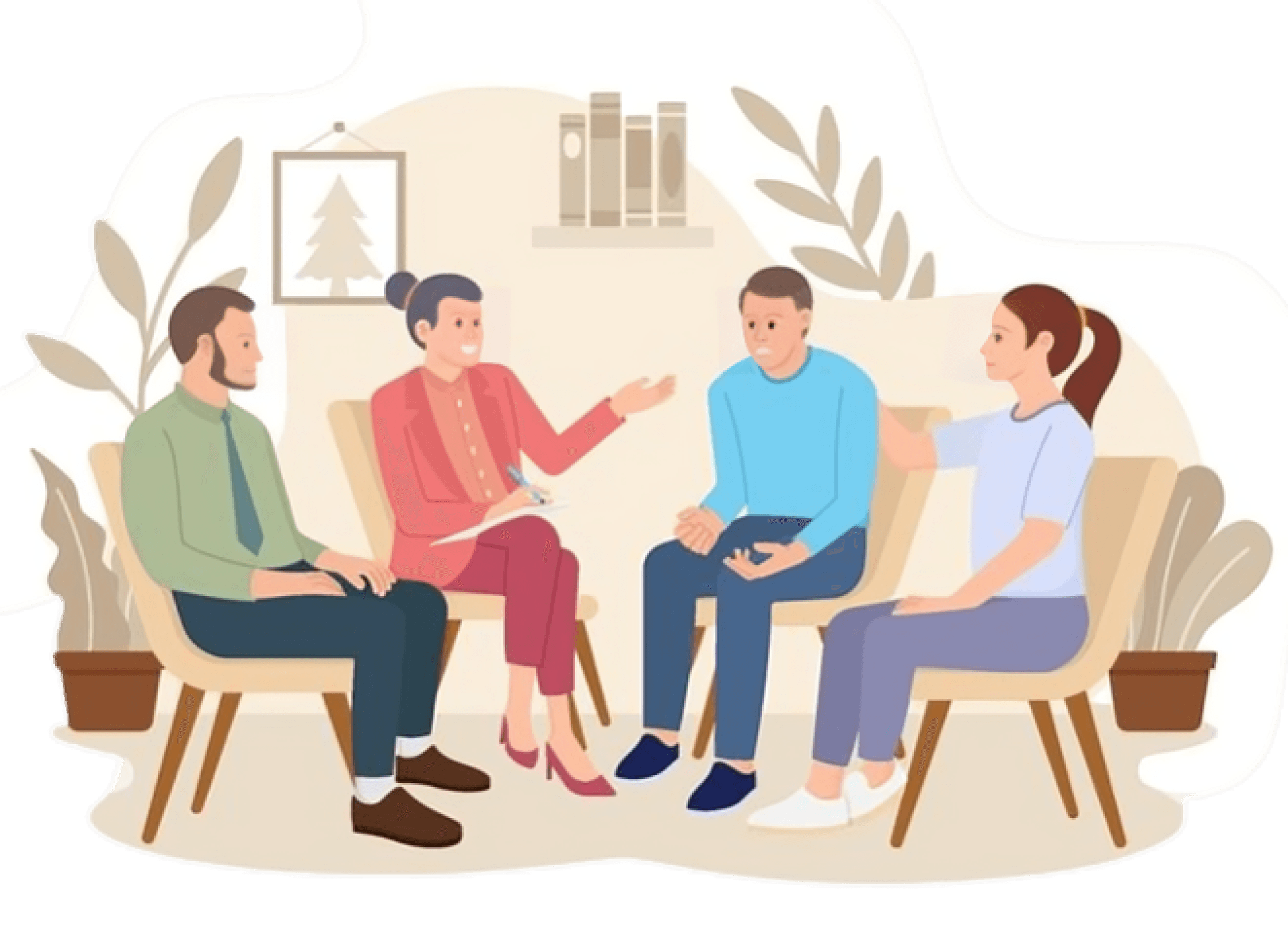
"While working on the problem, I found that pet parents were hesitant to use existing apps mainly due to safety concerns and lack of trust in dog walkers. They also felt uneasy because they couldn't track their dog's location during walks. Another issue was communication - both pet parents and walkers struggled to share clear instructions."
"While working on the problem, I found that pet parents were hesitant to use existing apps mainly due to safety concerns and lack of trust in dog walkers. They also felt uneasy because they couldn't track their dog's location during walks. Another issue was communication - both pet parents and walkers struggled to share clear instructions."
Understanding The Problem :
Understanding The Problem :
Research & Interviews
Research & Interviews
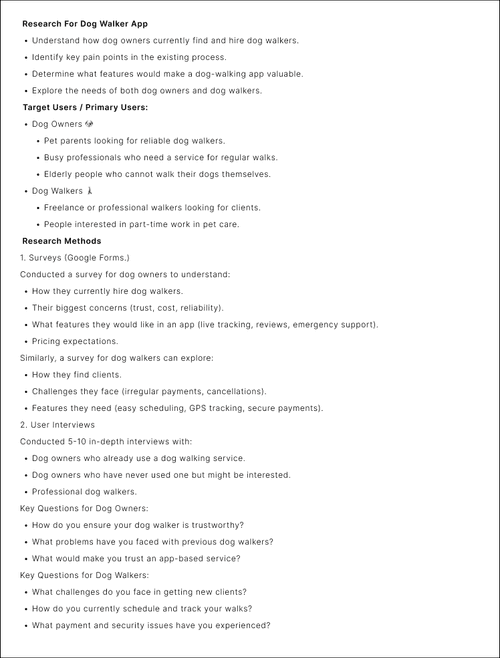
Research Objectives :
Research Objectives :
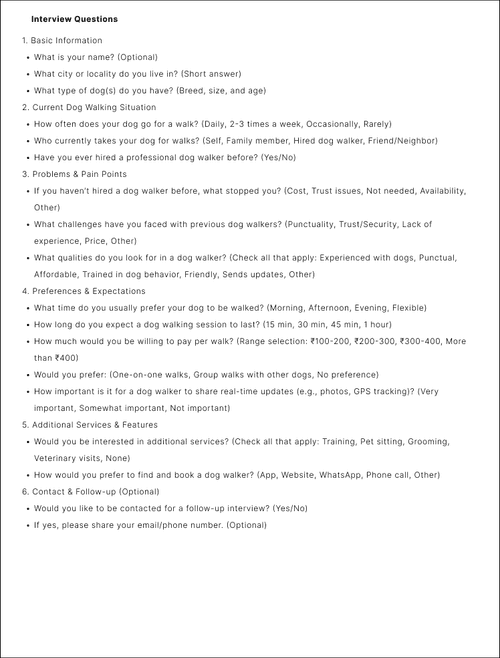
So based on this, I defined my research objectives. I wanted to understand the needs, challenges, and preferences of both user groups - pet parents and dog walkers.
I also analyzed competitor solutions to identify gaps and opportunities, and focused on defining features that could build trust and improve usability.
So based on this, I defined my research objectives. I wanted to understand the needs, challenges, and preferences of both user groups - pet parents and dog walkers.
I also analyzed competitor solutions to identify gaps and opportunities, and focused on defining features that could build trust and improve usability.
Rapid Ideation
Rapid Ideation
Rapid ideation aims to address the core needs of pet parents and walkers by comping up with alternate solutions.
Rapid ideation aims to address the core needs of pet parents and walkers by comping up with alternate solutions.
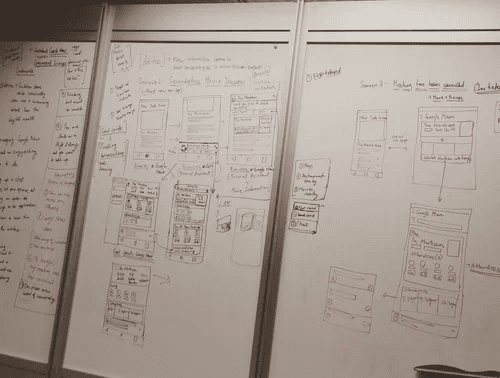
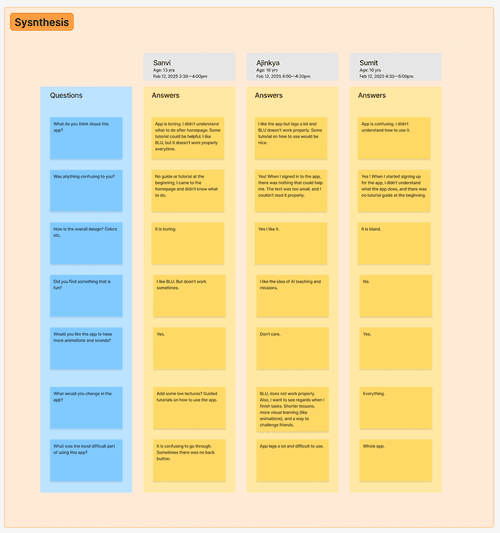
During ideation, I focused on generating multiple solutions to address the core needs of both users.
I created low-fidelity wireframes in Figma to explore different layouts and features.
I also conducted an in person feedback session, collected insights, and organized everything on a whiteboard to refine the direction
During ideation, I focused on generating multiple solutions to address the core needs of both users.
I created low-fidelity wireframes in Figma to explore different layouts and features.
I also conducted an in person feedback session, collected insights, and organized everything on a whiteboard to refine the direction
Personas
Personas
In this project, we have two clear personas: Pet Parents and Dog Walkers. They are the key players in the workflow, and the solution was designed to meet the needs of both sides.
In this project, we have two clear personas: Pet Parents and Dog Walkers. They are the key players in the workflow, and the solution was designed to meet the needs of both sides.
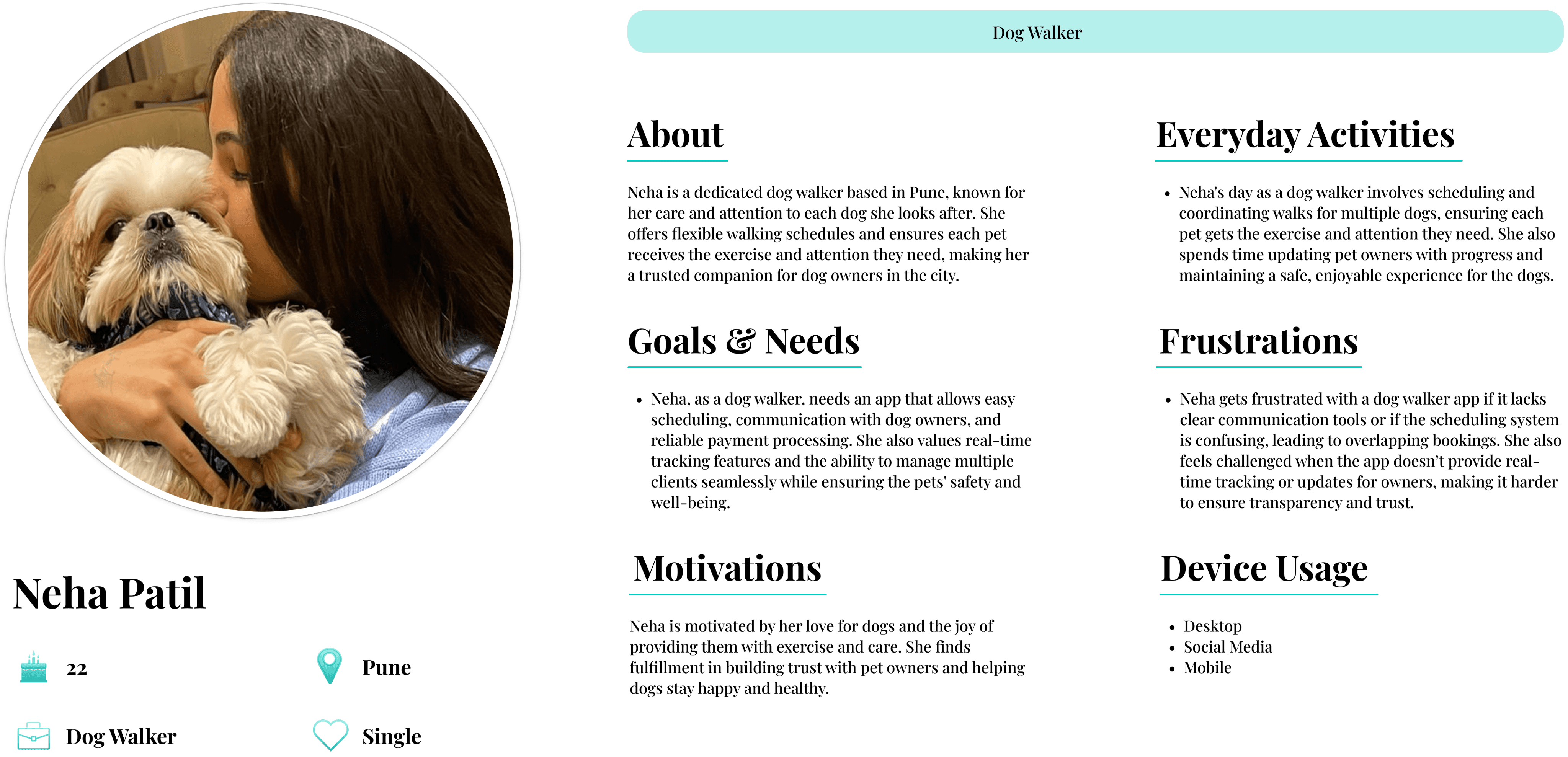
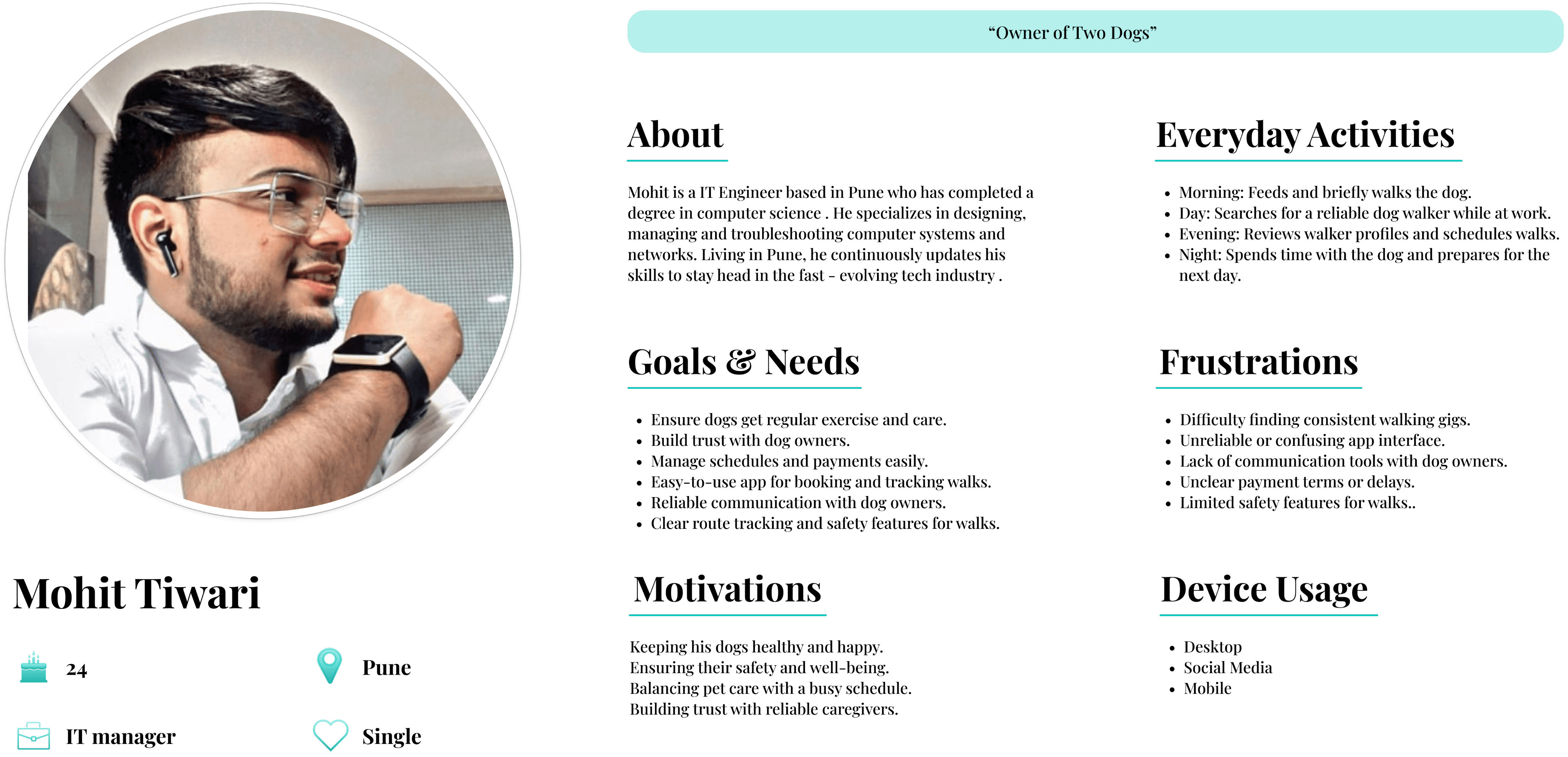
Dog walkers face unique challenges in managing routines, interacting with dogs, and building a community among peers, while pet parents prioritize trust, communication, and reliability when hiring walkers. Insights from observing professional walkers and interviewing pet parents highlight the gap between expectations and needs.
Dog walkers face unique challenges in managing routines, interacting with dogs, and building a community among peers, while pet parents prioritize trust, communication, and reliability when hiring walkers. Insights from observing professional walkers and interviewing pet parents highlight the gap between expectations and needs.
User Flow
User Flow
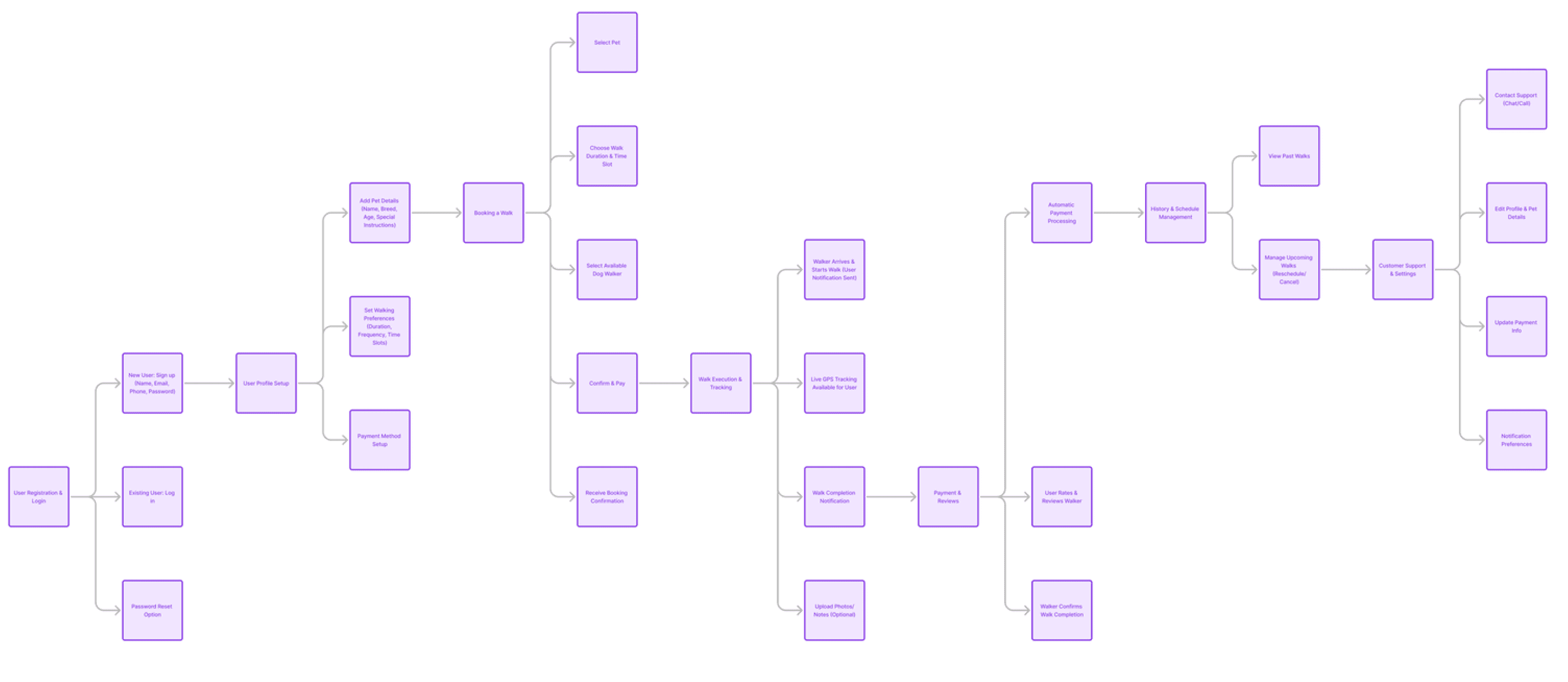
Based on insights from interviews and ideation sessions, I created user flows to map the complete journey. I explored different feature ideas and aligned them as solutions to directly solve user problems. This helped in structuring a smooth and logical experience.
Based on insights from interviews and ideation sessions, I created user flows to map the complete journey. I explored different feature ideas and aligned them as solutions to directly solve user problems. This helped in structuring a smooth and logical experience.
Wireframe & Prototype
Wireframe & Prototype
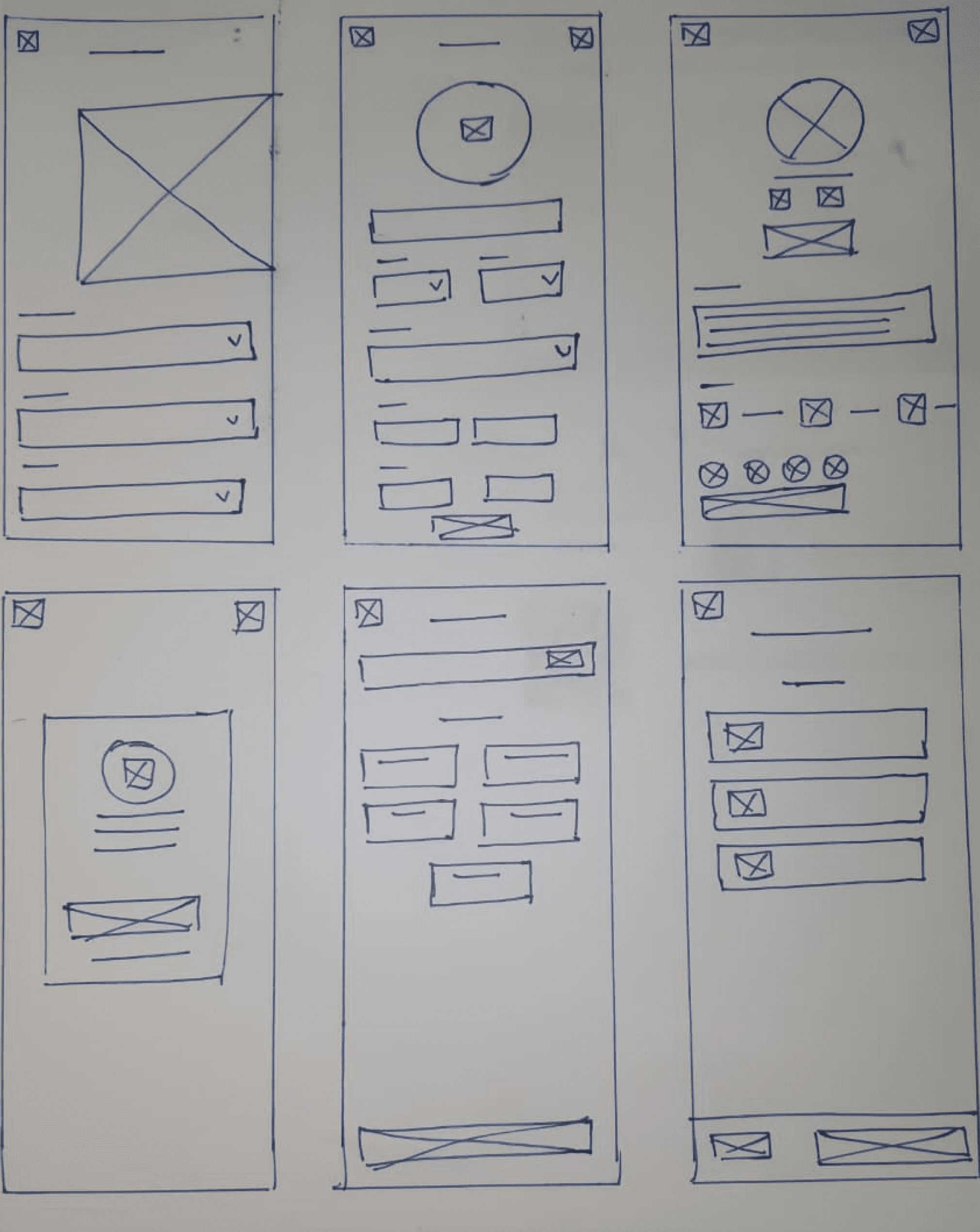
. I sketched up a number of wireframes, and made digital wireframes for testing purposes.
. Potential features were bought in and used as solutions aimed to solve the user problems.
. I sketched up a number of wireframes, and made digital wireframes for testing purposes.
. Potential features were bought in and used as solutions aimed to solve the user problems.
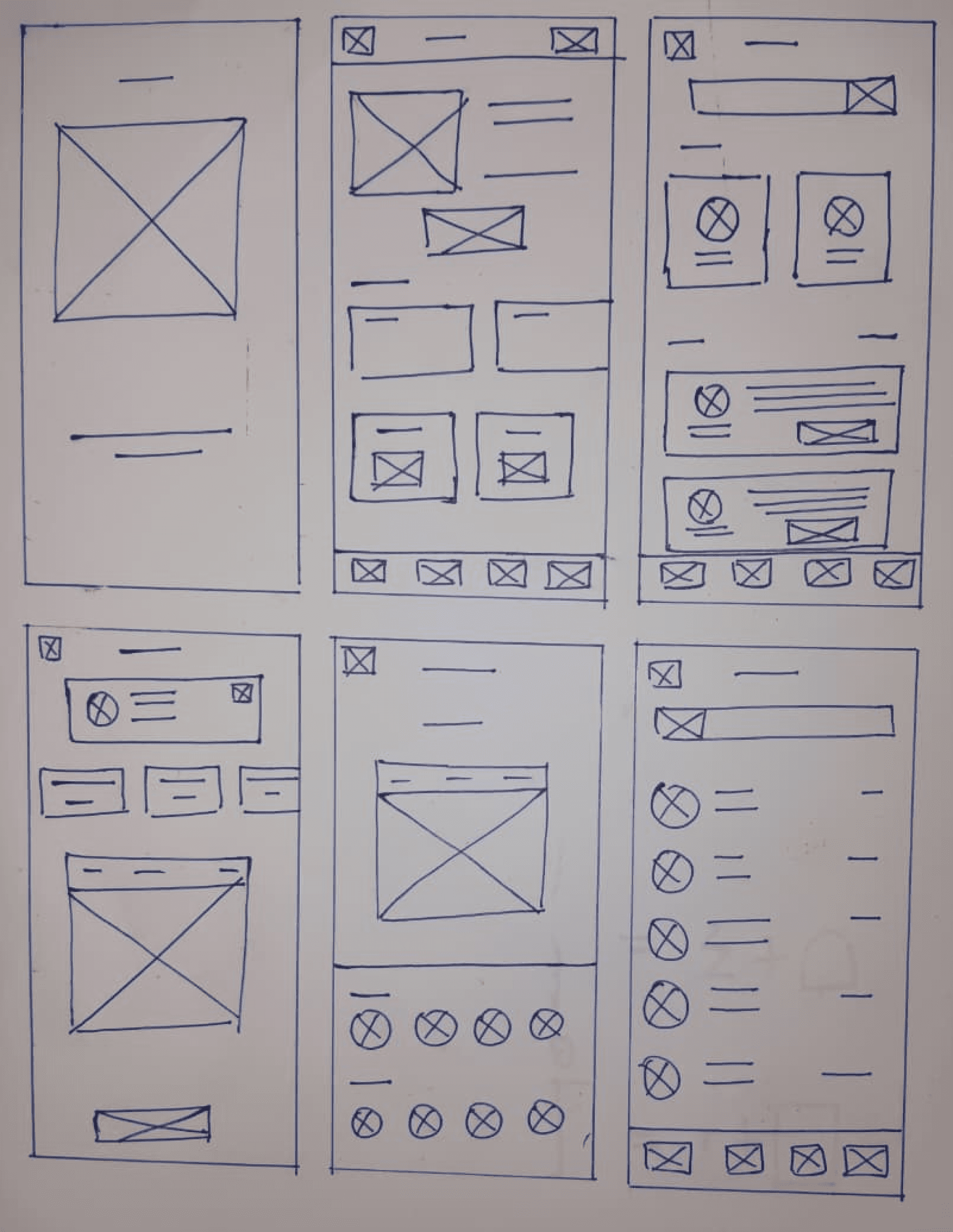
Paper Wireframes
I started with paper wireframes to quickly sketch ideas. This helped me focus on structure rather than details, iterate faster, and identify usability issues early in the process.
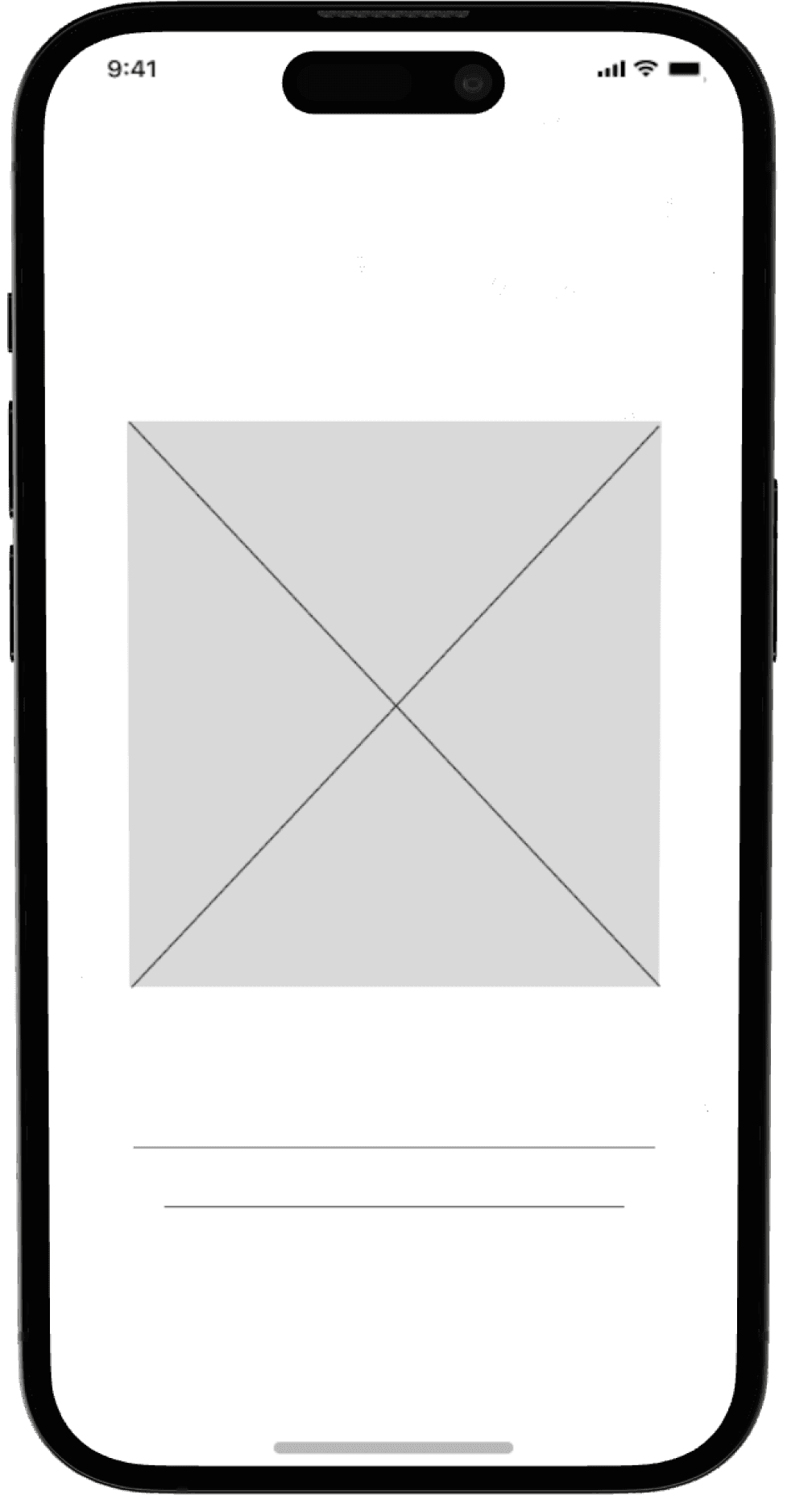
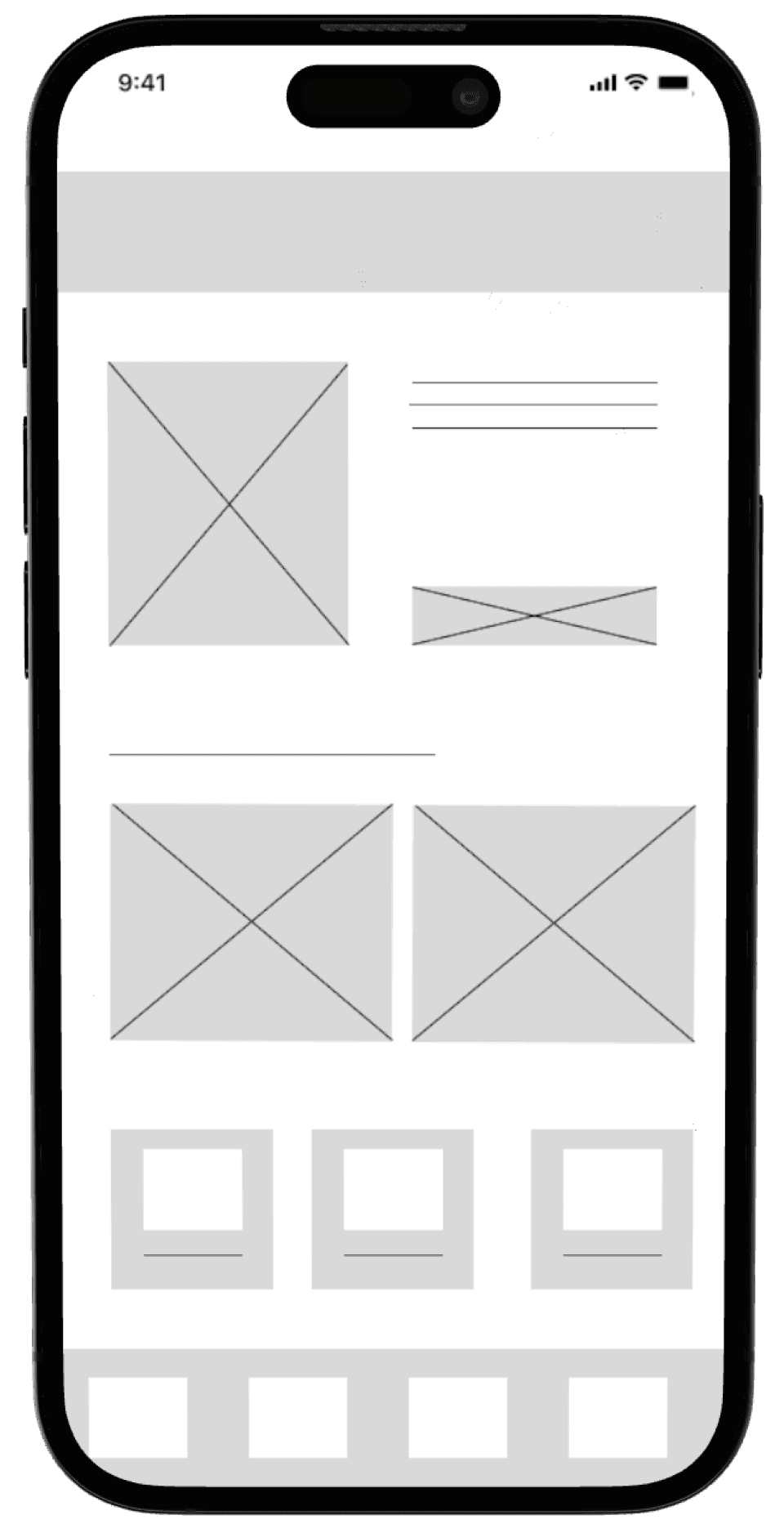
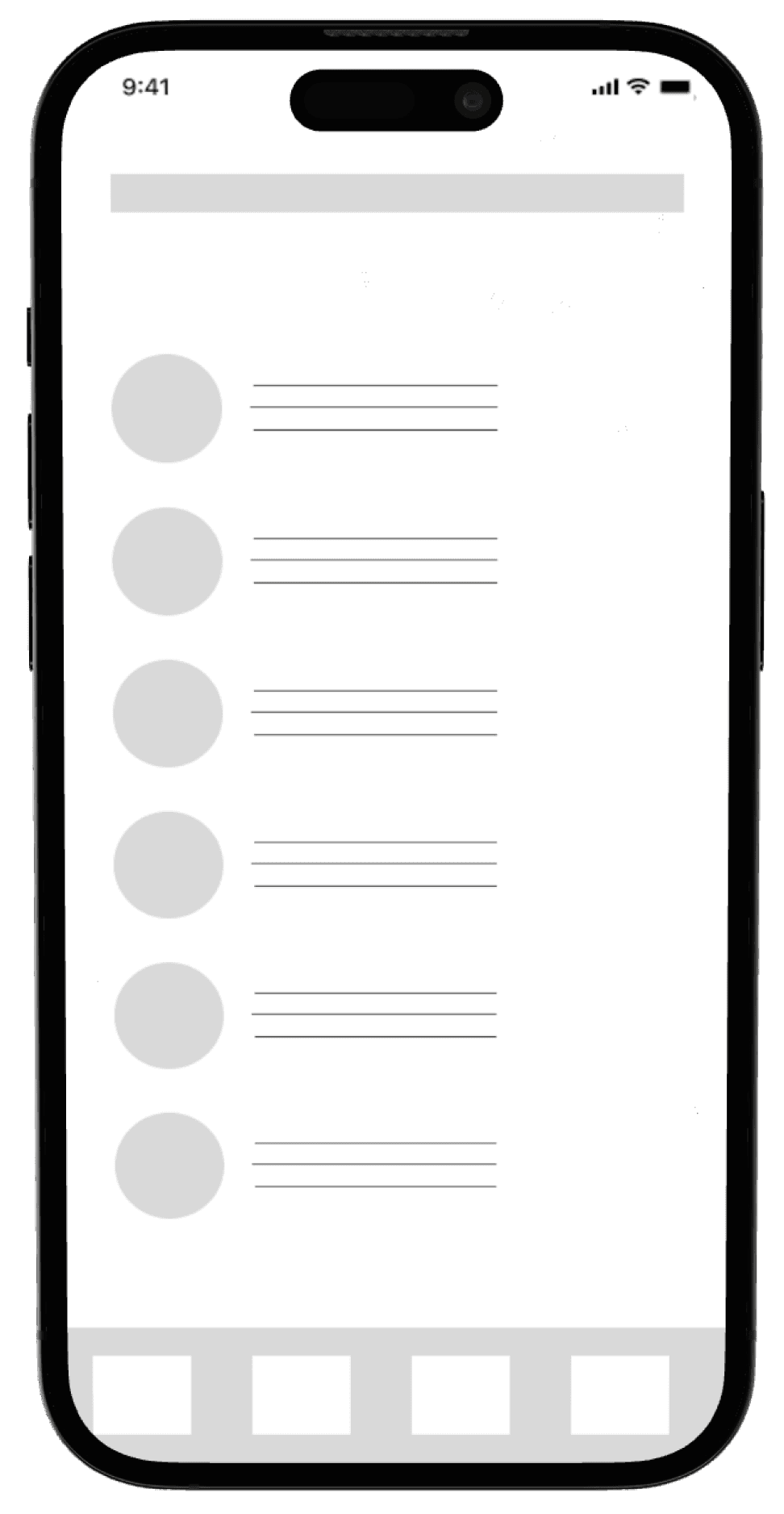
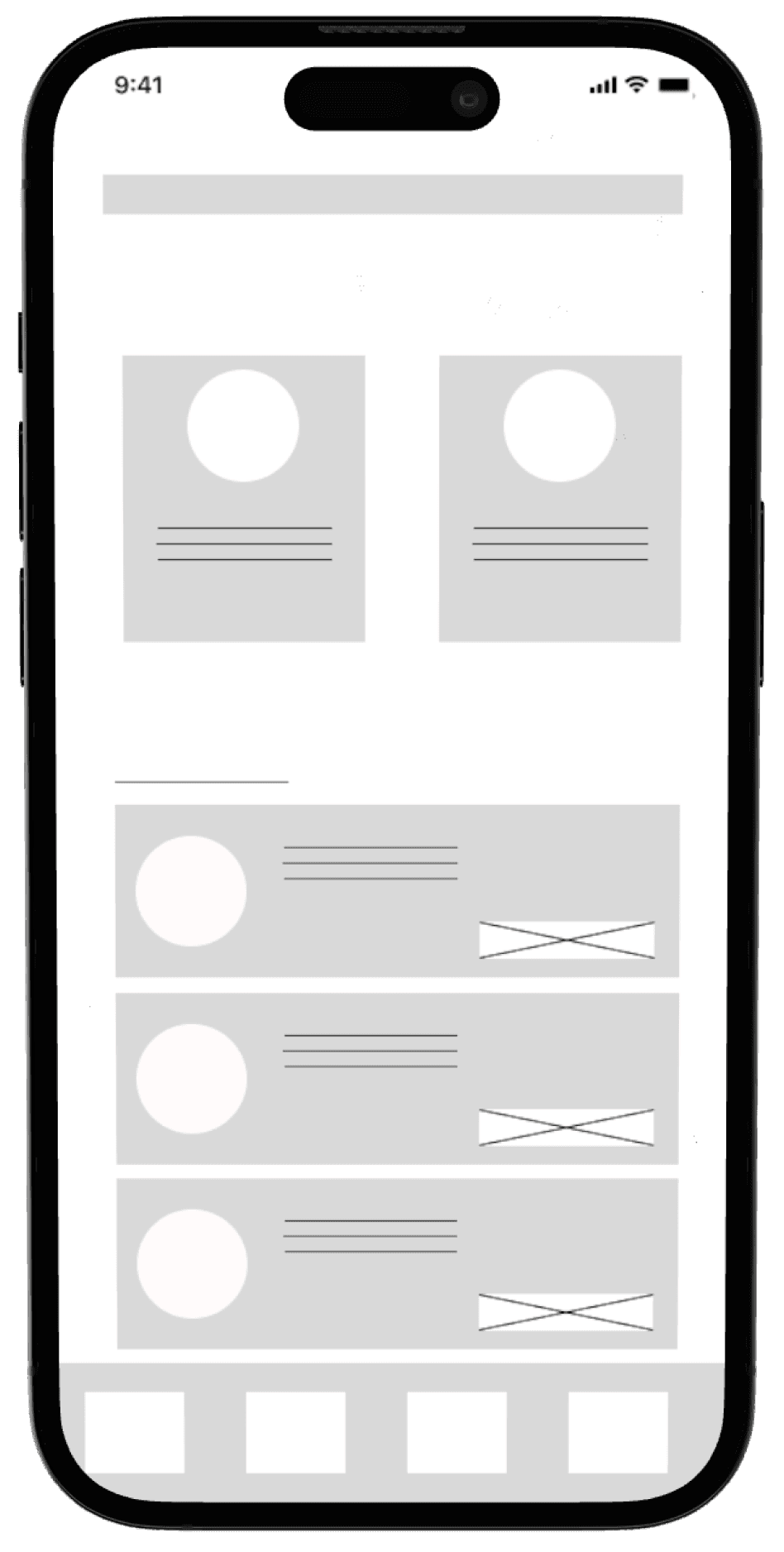
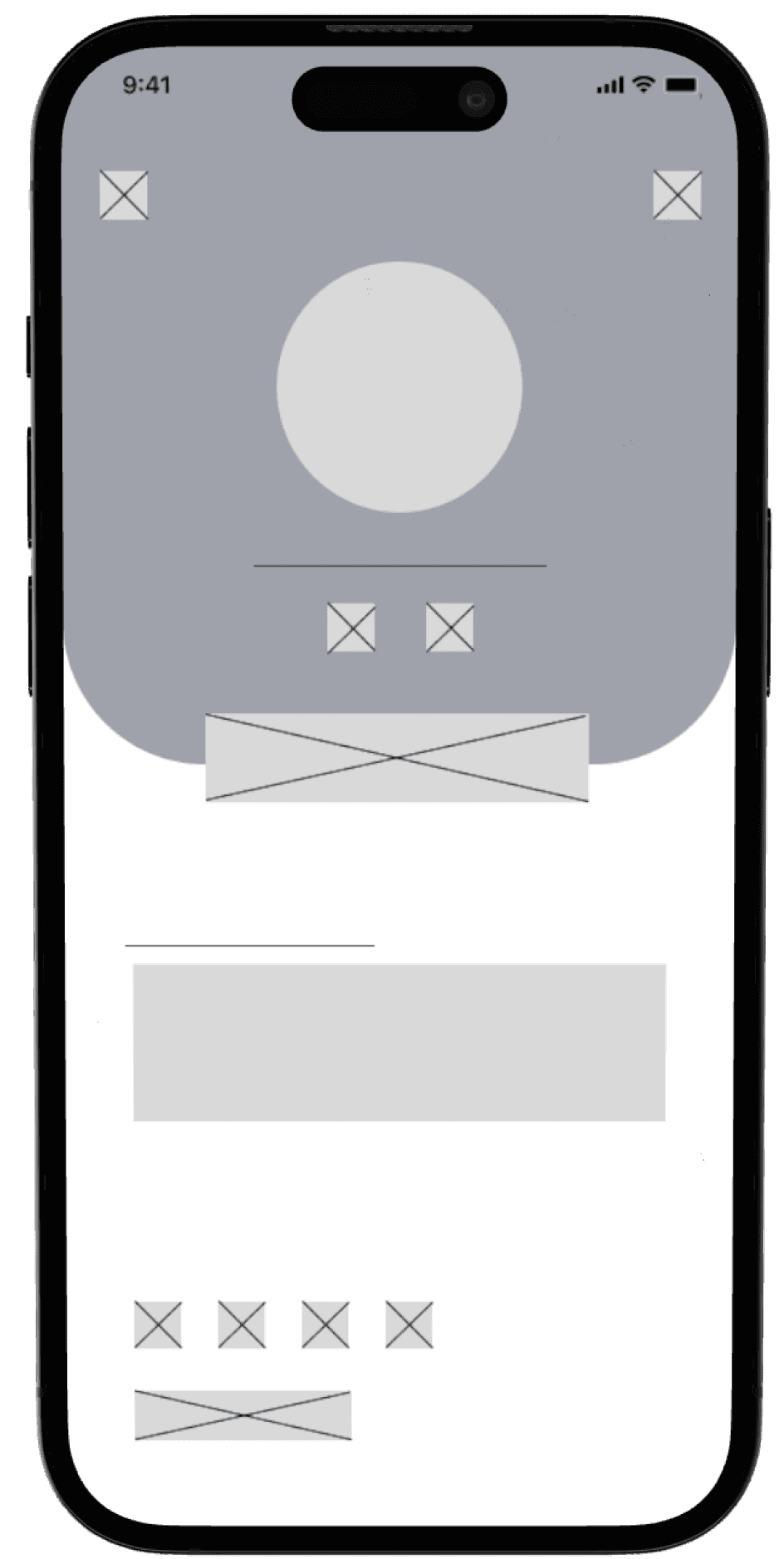
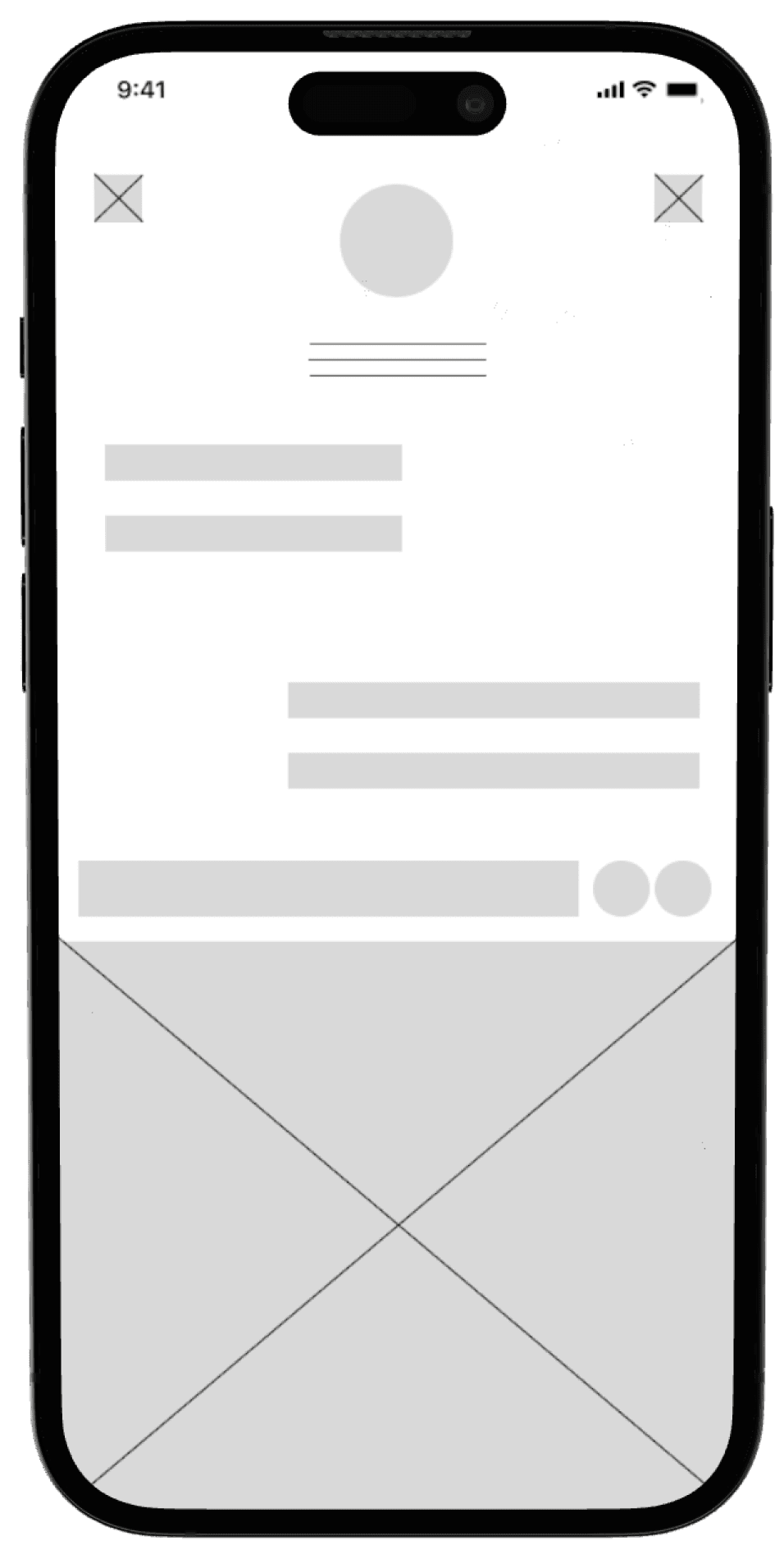
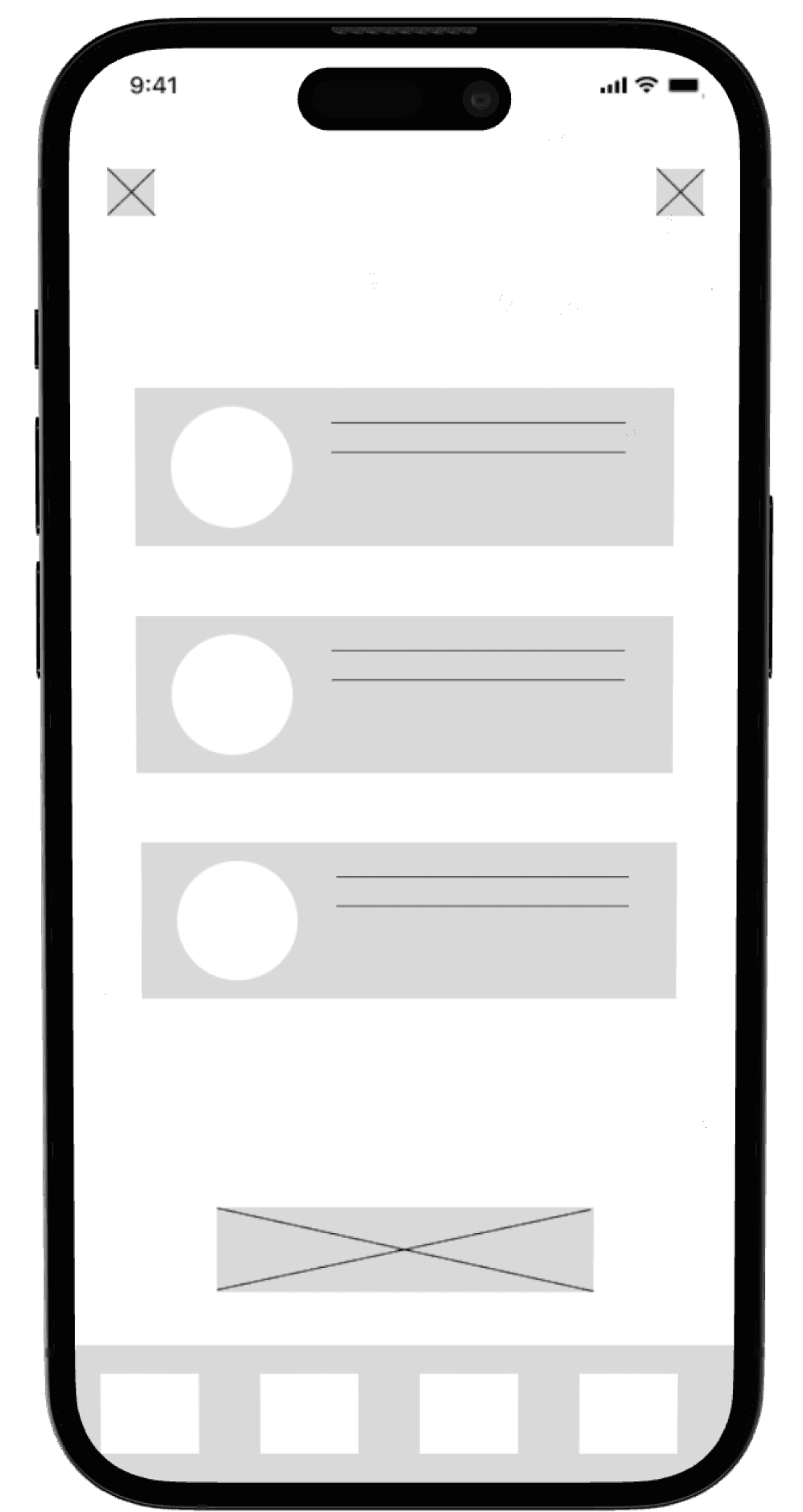
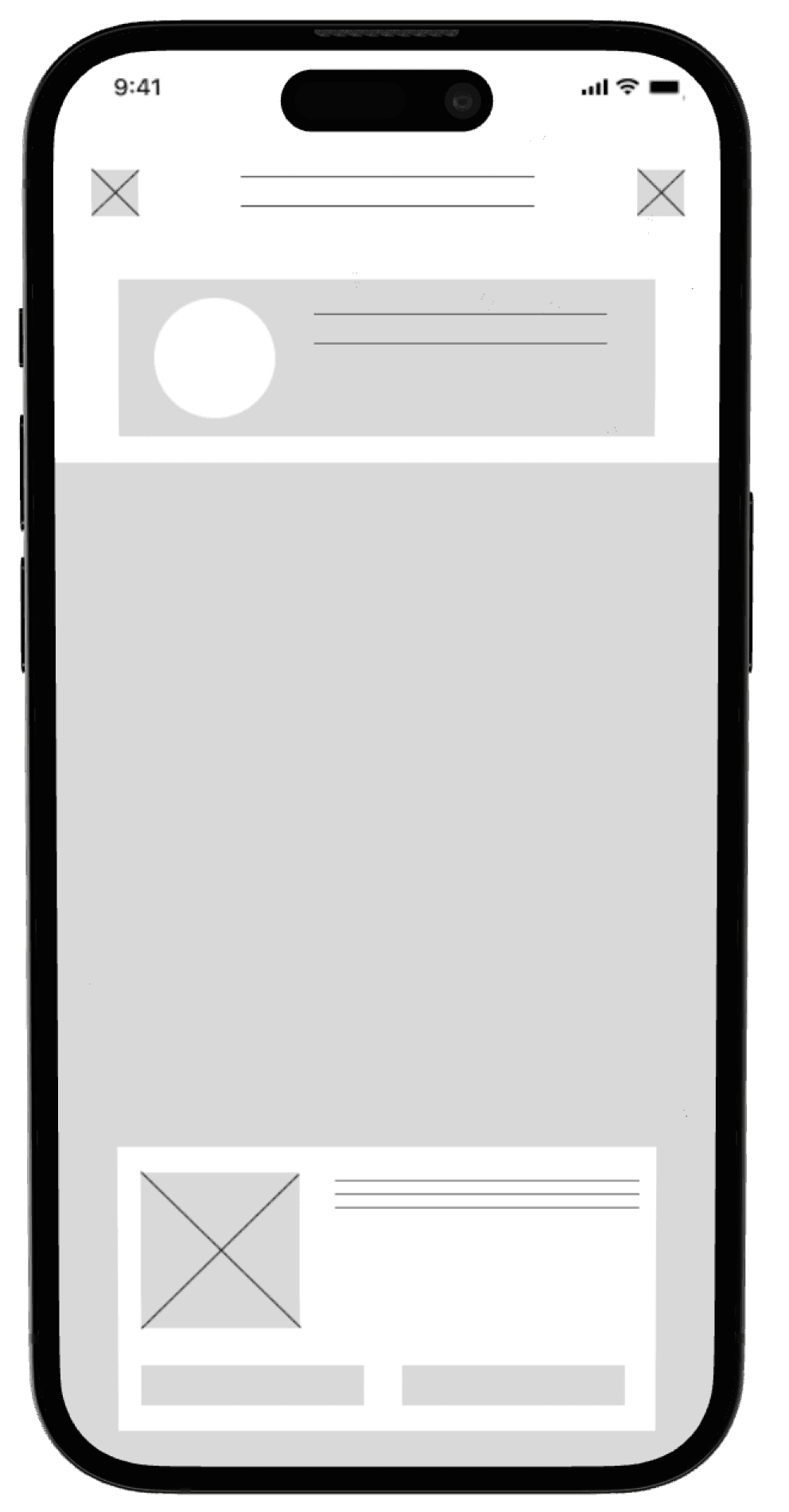
Digital Wireframes
Digital Wireframes
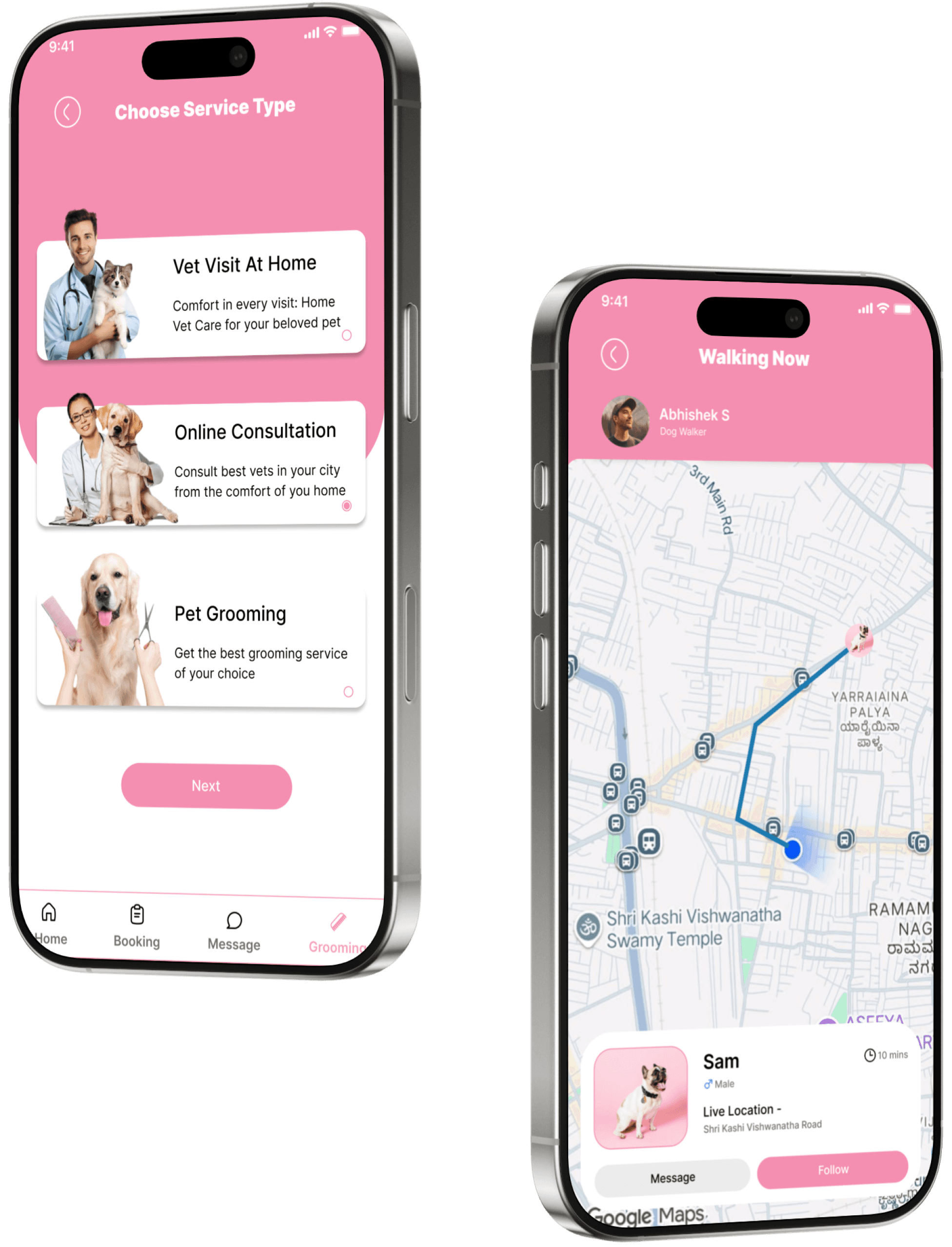
Then I moved to digital wireframes, where I refined the layout and tested key features like booking, walker profiles, and live tracking. This stage helped validate user flows and gather feedback before moving to high-fidelity designs.
Then I moved to digital wireframes, where I refined the layout and tested key features like booking, walker profiles, and live tracking. This stage helped validate user flows and gather feedback before moving to high-fidelity designs.
High Level Prototype
High Level Prototype
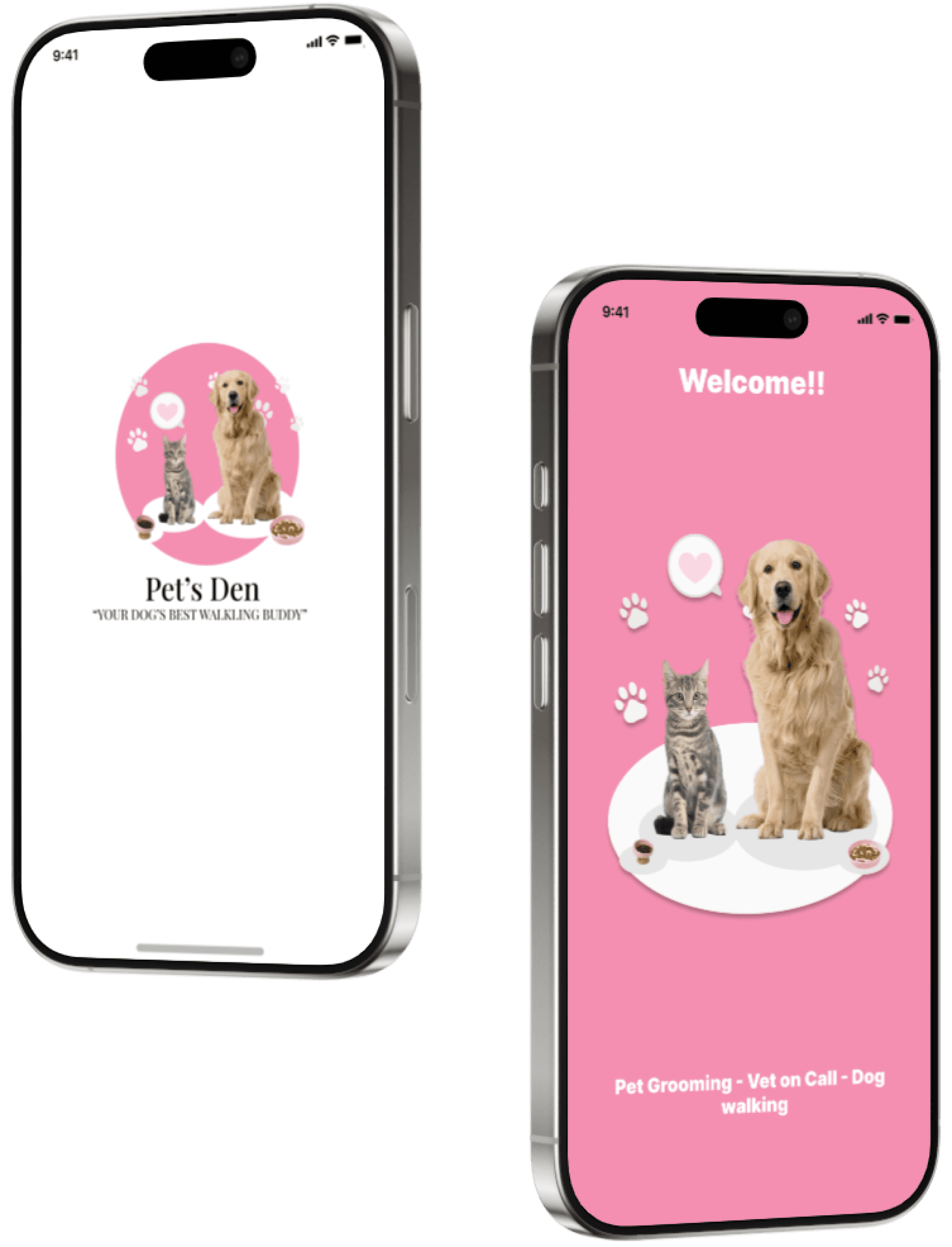
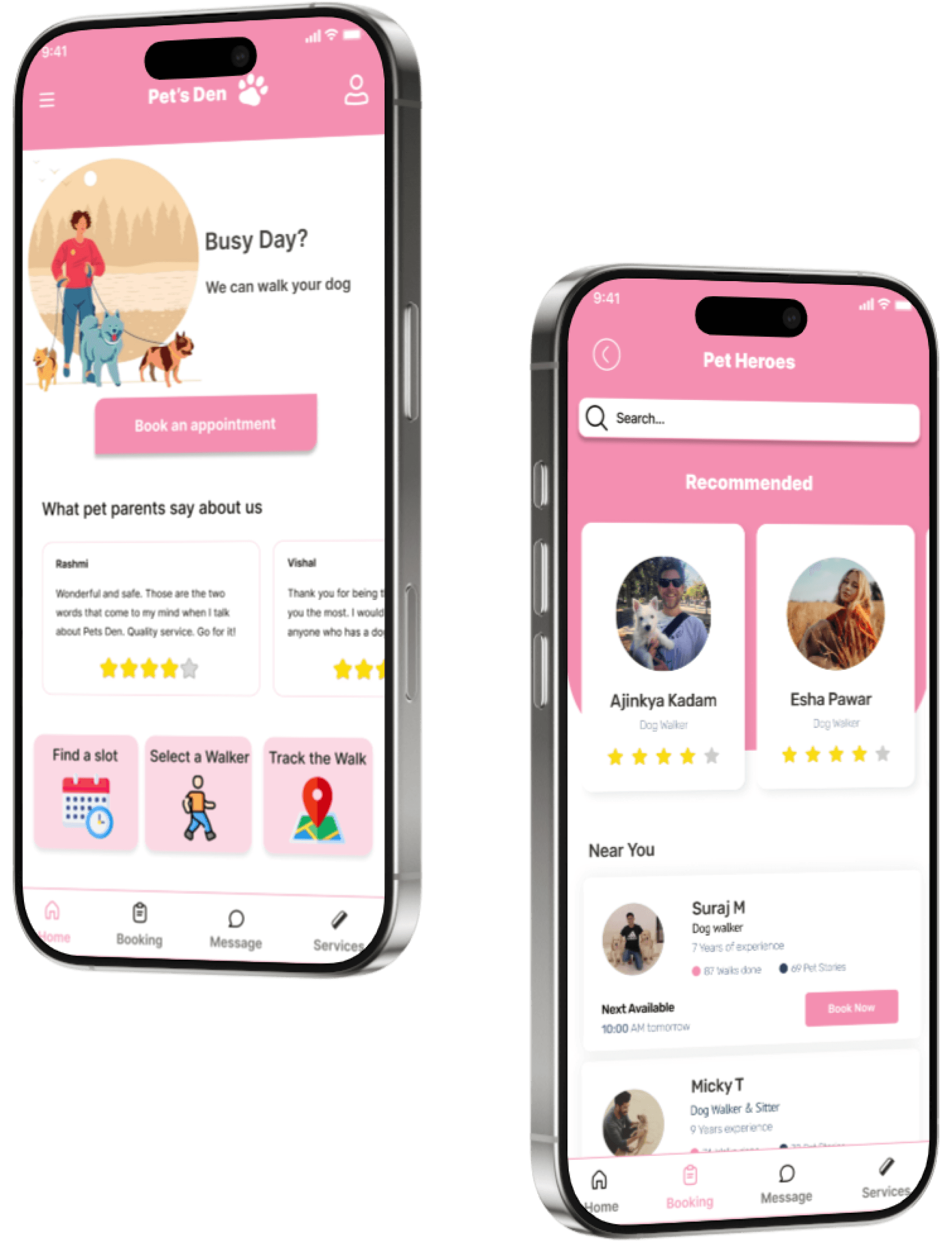
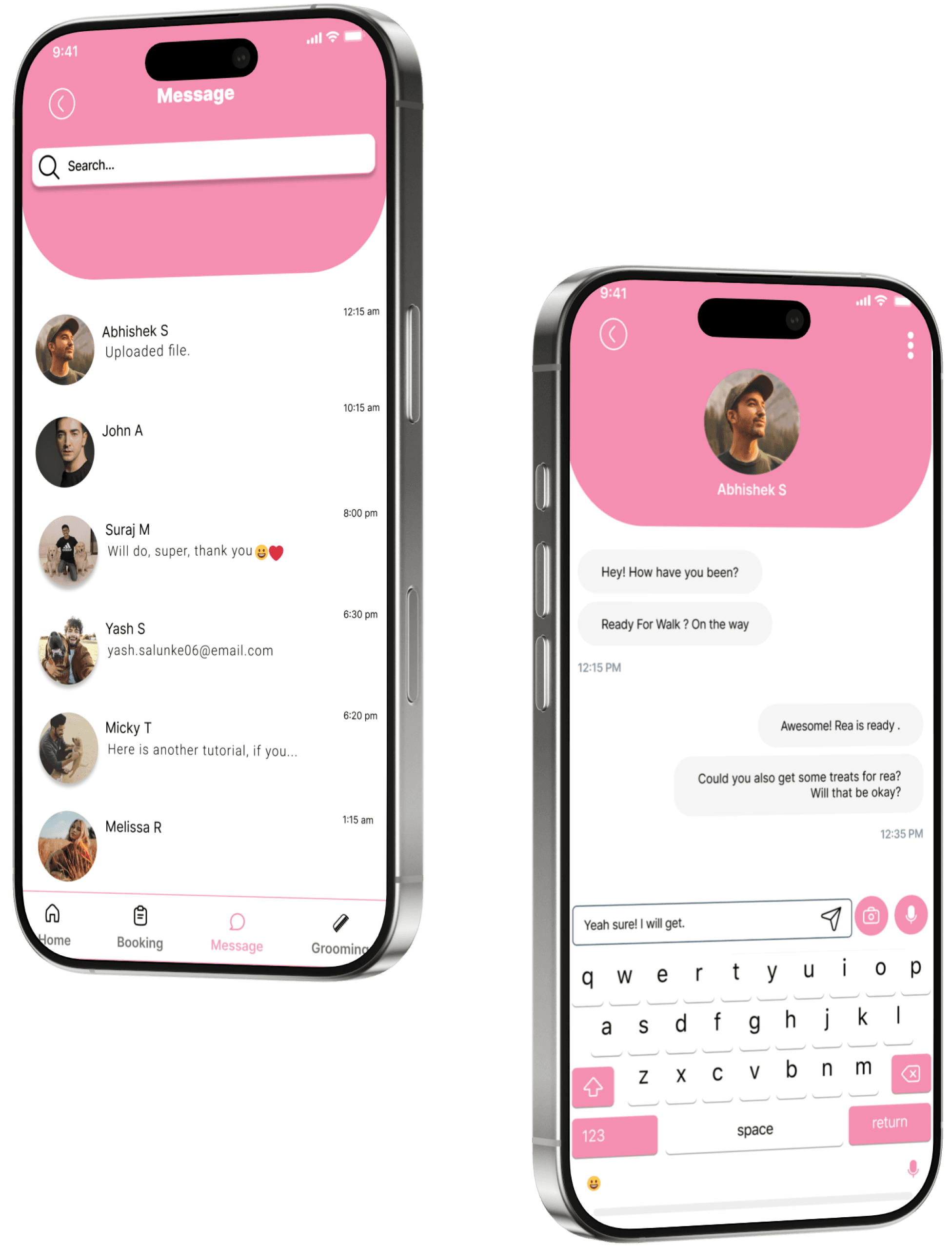
Finally, I created a high-level prototype where users could experience the complete flow ,from selecting a walker to booking and tracking the walk. This helped evaluate the usability and overall experience before development.
Finally, I created a high-level prototype where users could experience the complete flow ,from selecting a walker to booking and tracking the walk. This helped evaluate the usability and overall experience before development.
Key Takeaways
Key Takeaways
83% of users loved the app, highlighting its seamless experience, trustworthy walkers, and convenient features that simplify pet walking.
83% of users loved the app, highlighting its seamless experience, trustworthy walkers, and convenient features that simplify pet walking.

Read similar case studies
Read similar case studies

Web Design
Web Design
Sunspin Technologies
Sunspin Technologies
Mobile App Design
Mobile App Design
Nobroker
Nobroker
Mobile App Design
Mobile App Design
FitTrack
FitTrack
Designing with a Heart
Designing with a Heart
Yash Salunkhe
Yash Salunkhe
Phone - +91 9075511292
Phone - +91 9075511292
Email - yashsalunkhe033@gmail.com
Email - yashsalunkhe033@gmail.com
